
From storytelling to seeing impact firsthand: A week in Johannesburg
 Lauren Martin / 15 September 2026
Last month, I had the opportunity to travel to Johannesburg, South Africa, to support onboarding for a global fellowship program focused on expanding access to health in underserved communities around the world.
Before the trip, I could have easily described the fellowship in a few sentences: a leadership development experience that pairs employees with nonprofit organizations to help address critical health challenges. But after spending a week with the participants, seeing their excitement, and witnessing the impact they’re working toward, the program became much more than a description on a slide.
Throughout onboarding week, participants were challenged to think differently. They learned how to ask better questions, reserve judgment, uncover their unique strengths, and work effectively across cultures and functions. They arrived as individuals and left feeling much more like teams, united around a shared purpose.
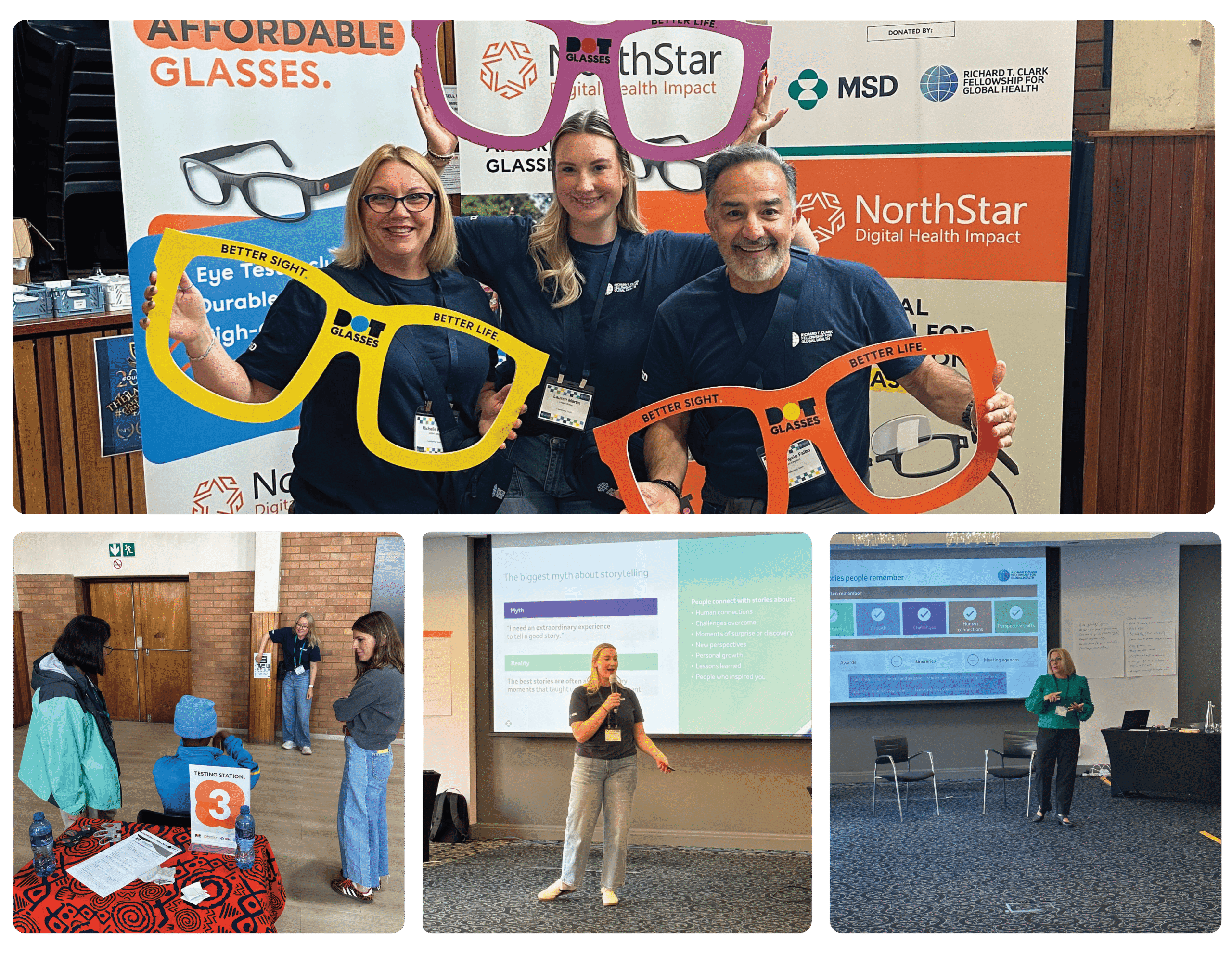
My colleague, Richelle Feigin, and I had the privilege of leading sessions on storytelling and influence. At first glance, storytelling might seem secondary to the important work participants will be doing in the field. But one of the biggest challenges of initiatives like this is that the impact often goes unseen by the broader organization.
The reality is that these participants are the bridge between the work happening on the ground and the thousands of employees who may never see it firsthand.
That’s where storytelling matters.
Many participants don’t come from communications backgrounds, so we helped them build the skills and confidence to share not only what they’re doing, but why it matters. Through interactive exercises and real-time content creation, we challenged them to move beyond simply reporting events and instead tell stories that create understanding, connection, and action. We also explored how to build influence through authentic communication and how to use that influence to spotlight the communities they serve, the challenges they’re helping address, and the role organizations can play in supporting that work.
But the moment that will stay with me long after the presentations and workshops ended happened outside the classroom.
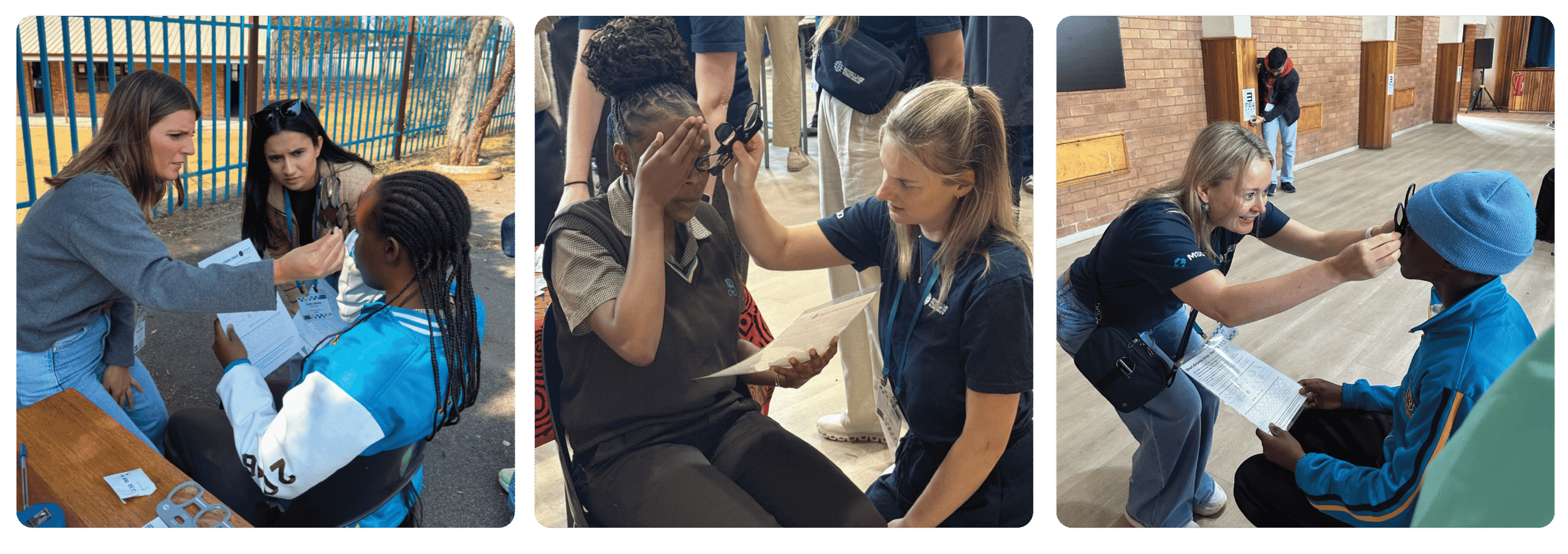
One day, we joined a vision care volunteer event at a local high school. Students moved through vision screenings while participants worked at stations assembling prescription glasses on-site. We watched young people put on glasses and experience clear vision for the first time. What had previously been a statistic, a strategy, or a program objective suddenly became incredibly personal.
As consultants, we spend much of our time helping organizations communicate impact. We create strategies, develop campaigns, coach leaders, and build engagement plans. But we don’t always get the opportunity to stand face-to-face with the people ultimately benefiting from those efforts.
In that moment, I was reminded why communication matters.
Before this trip, I thought of storytelling primarily as a way to document impact.
After this trip, I see storytelling as a way to multiply it.
The more effectively people can share what they’re learning, the challenges they’re helping solve, and the communities they’re serving, the more others can be inspired to engage, support, and contribute. That’s why this work matters. The stories shared over the coming months won’t just reflect the impact of the fellowship. They’ll help expand its reach, inspire future participants, and shine a light on challenges that deserve attention.
I returned home with a renewed sense of purpose and a reminder that when we help people tell meaningful stories, we’re not just communicating outcomes. We’re helping create momentum for what’s possible next.
Next Article
Jump to a slide with the slide dots.

 Lucy Moyle
Clarity under fire: What Mission Command teaches HR about empowerment
Read more
 Richard Burton
2026: It’s time to reimagine recognition
Read more

 Callan Russo
Not just communications professionals, trusted partners
Read more

 Regine Nelson
Who is looking across the whole?
Read more
 Hillary Brown
Show me the money. (Or at least give me a clue.)
Read more